How to Choose Composite Decking for Your Home

With so many options on the market, picking composite decking for your outdoor oasis can be a challenge! Our experts at Ramley Home Solutions are happy to help guide you to the decking that will best serve your family, but how do you choose the perfect composite decking for your home?

5 Things to Consider As You Choose Your Perfect Deck Material

Here are five things to take into consideration as you weigh options for your summer decking project.

Composite Deck stock photo

Capped, Uncapped, and Solid-Core Decking

Uncapped or all-composite boards are less expensive and possess a more natural wood texture. As a result, they’re most susceptible to water and deterioration of the composite decking options.

Traditional, or “capped,” composite flooring is protected with a layer around the board, shielding it from moisture and UV exposure. While traditional composite is still a long-lasting alternative to wood decking, the core exposure along the edges and grooves of the boards can reduce the lifespan of the decking in comparison to solid-core options.

Solid-core, or “fully encapsulated,” means that the wood fibers are completely encapsulated within a layer of plastic. The layer provides additional protection from moisture, rot, decay, and insects. MoistureShield, for example, boasts no structural field failures in more than 30 years, which is a testament to its strength and reliability.

Handling Heat Exposure

If recent weather patterns have taught us anything, Michigan summers are only heating up, making heat retention a bit of a “hot topic.”

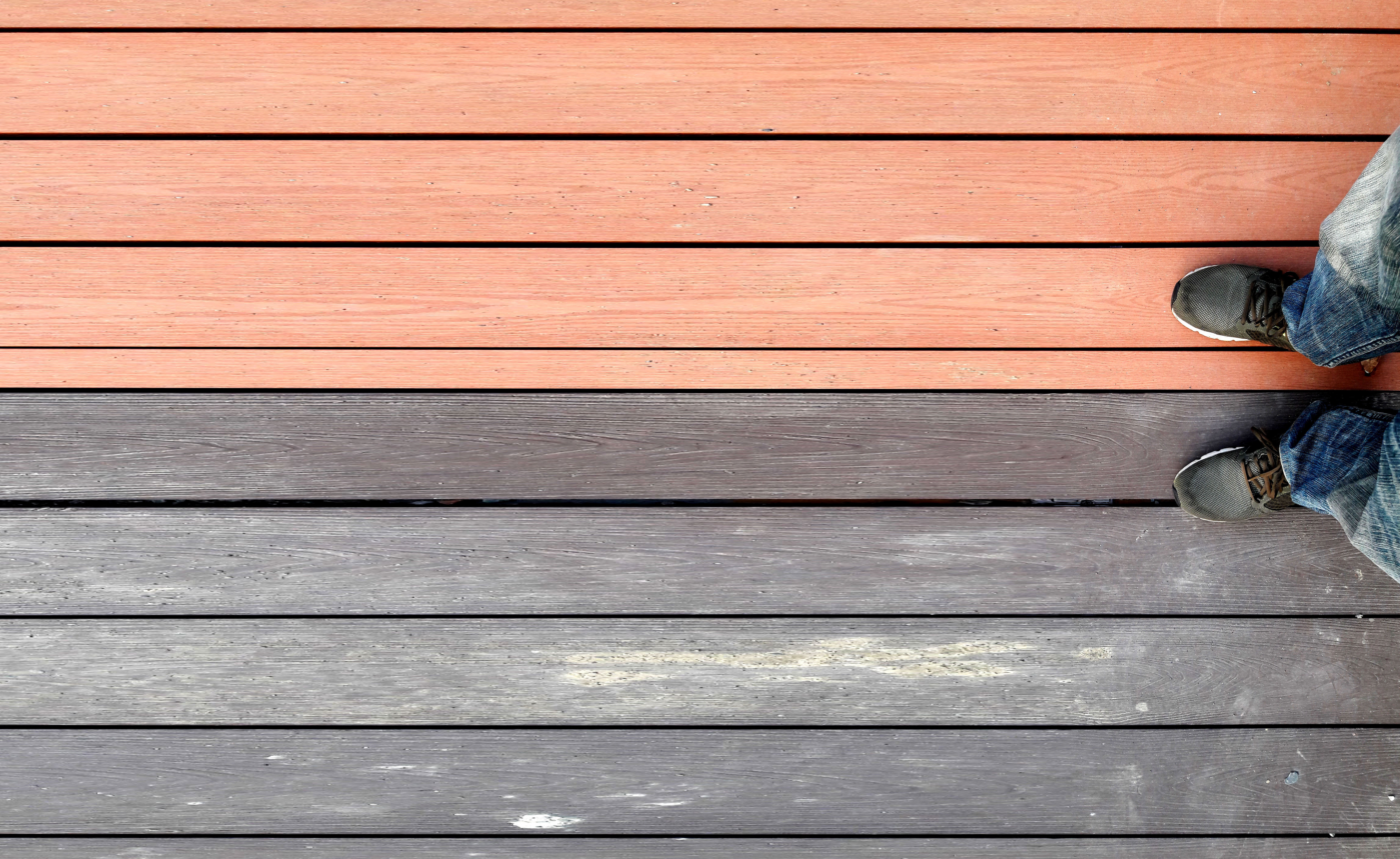
Composite boards have a bit of a reputation for retaining heat when exposed to direct sunlight, which is more noticeable in darker shades of the material. If you’re looking for a surface that retains less heat, opt for lighter finishes.

Check out the additional steps manufacturers take to reduce surface temperatures, such as adding reflective pigments or employing “cool decking” technologies, which are reported to reduce surface temperatures by around 35%.

Customers have reported that, although even the most heat-resistant composites will still warm up slightly, they remain cooler than their dark wood or PVC counterparts.


Performance and Durability

With leading industry brands offering multi-decade, 25-to-50-year warranties covering various defects such as structural failure, color loss/fading, staining, and rotting, the protection is significantly longer in solid-core or fully encapsulated varieties compared to capped and uncapped alternatives.

Understanding your current traffic and anticipating future traffic can help you determine the best solution for your project.

Also, consider your environment – if frequent, heavy rain is an issue or if you regularly move heavy patio furniture around, you may benefit from fully encapsulated options for longevity.

Different board types perform better in various situations; understanding which board type is ideal for your structural design is key. For example, a solid-core board will hold up better under prolonged moisture or ground contact. If your deck is elevated and the framing is well-ventilated, capped boards may be the ideal solution for you.

Texture Options and Aesthetic Decisions

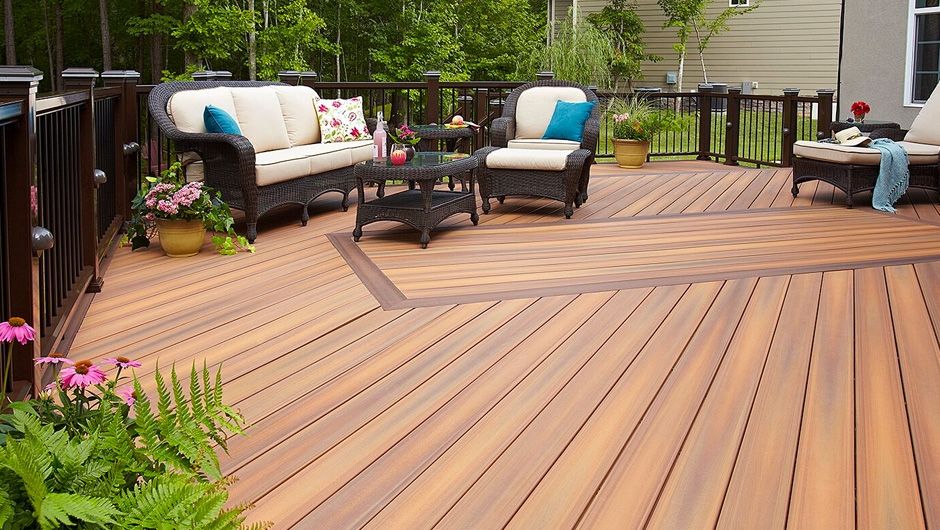
Various woodgrains are available, generally based on the type of boards you choose. Capped boards will offer denser, more varied woodgrains with multi-tone finishes and natural color depth.

Uncapped boards offer a greater natural-wood look for less money.  Ask about patterns and textures available in the ideal materials for your project.

Long-term Maintenance Costs

With various extended warranty options available from most providers, homeowners tend to recoup the upfront expense of the project by avoiding repetitive maintenance and replacement of wood and PVC alternatives in the coming decades.

No more staining or painting.

Simply wash your decking with mild soap and water, drying puddles to protect the deck’s surface.


Ready to Get Started?

At Ramley, we understand the options can be overwhelming. Our experts are here to ask you the critical questions to help guide your decision. For example: Will the deck come in contact with the ground or water? Is scratch and fade resistance a priority? Are you looking for cool-coat technology?

Get started with Ramley today!

GET FREE QUOTE!